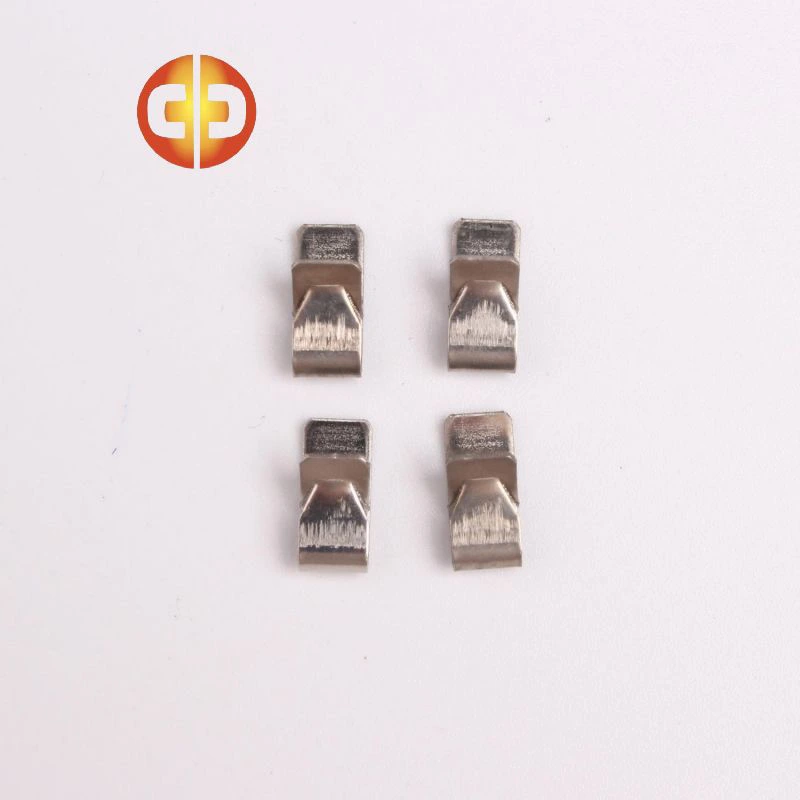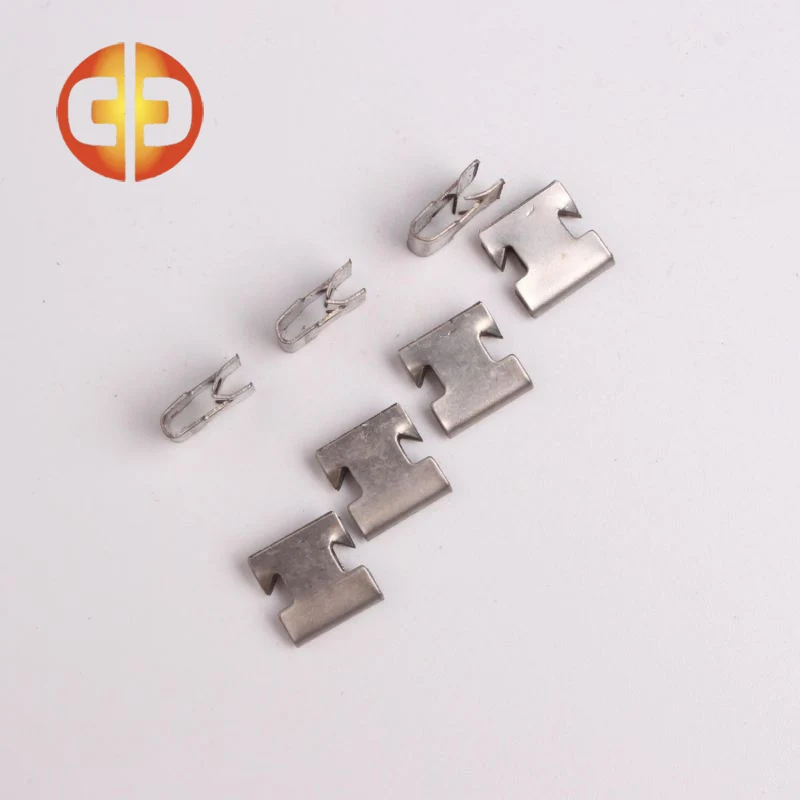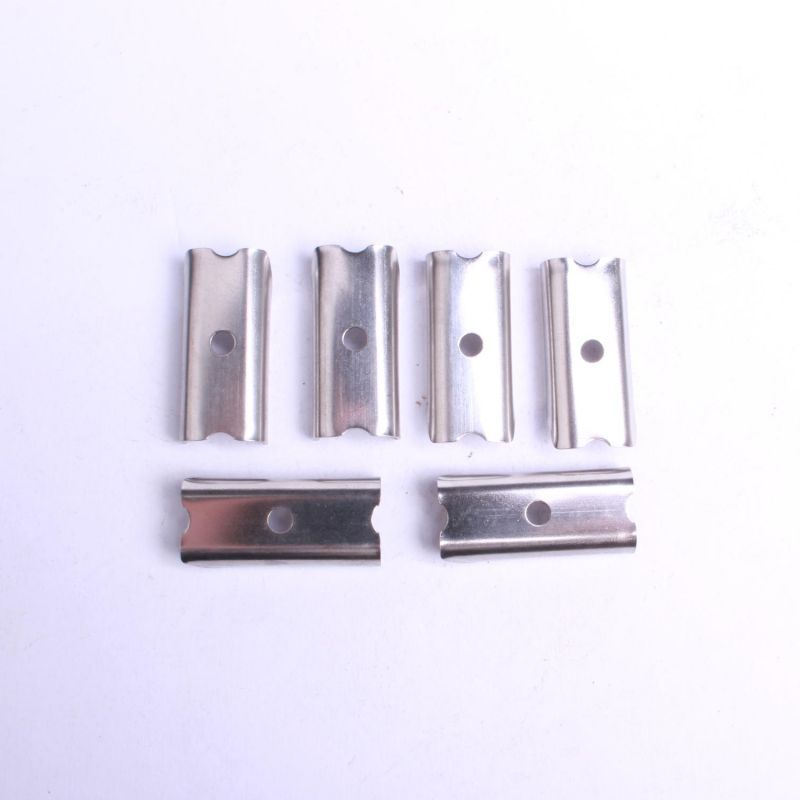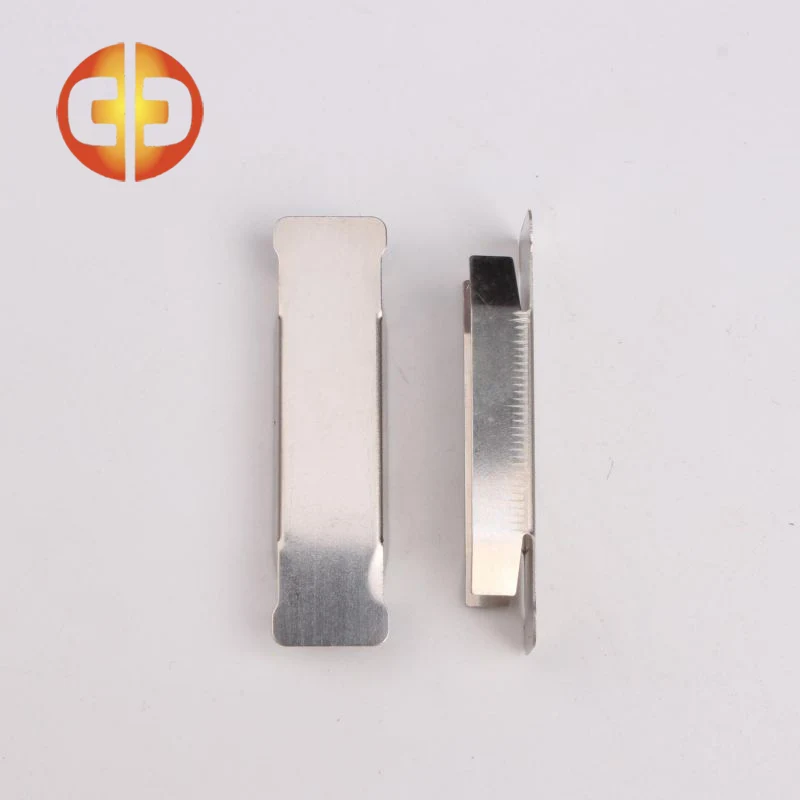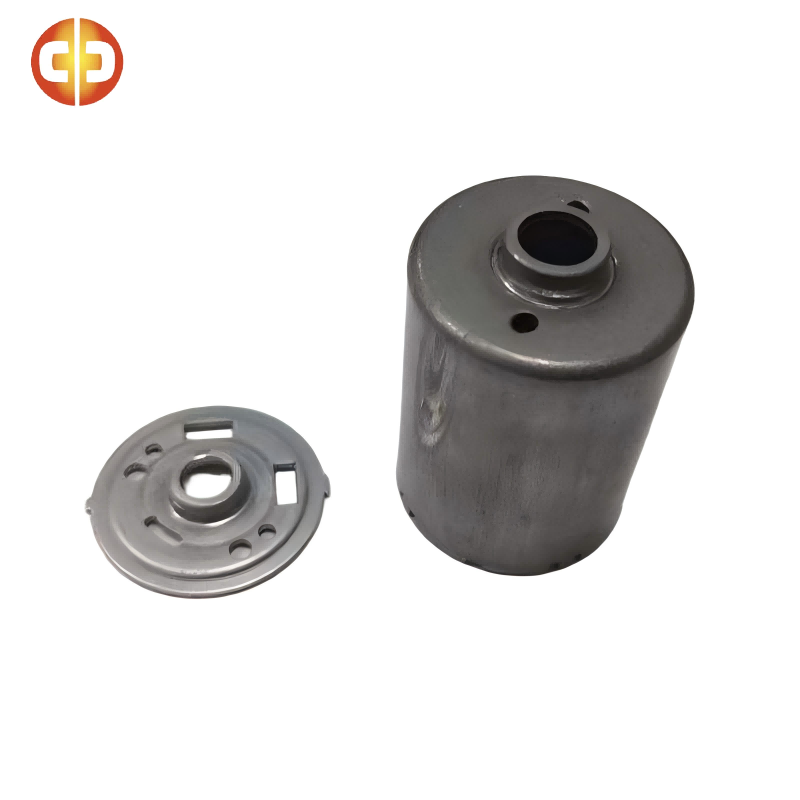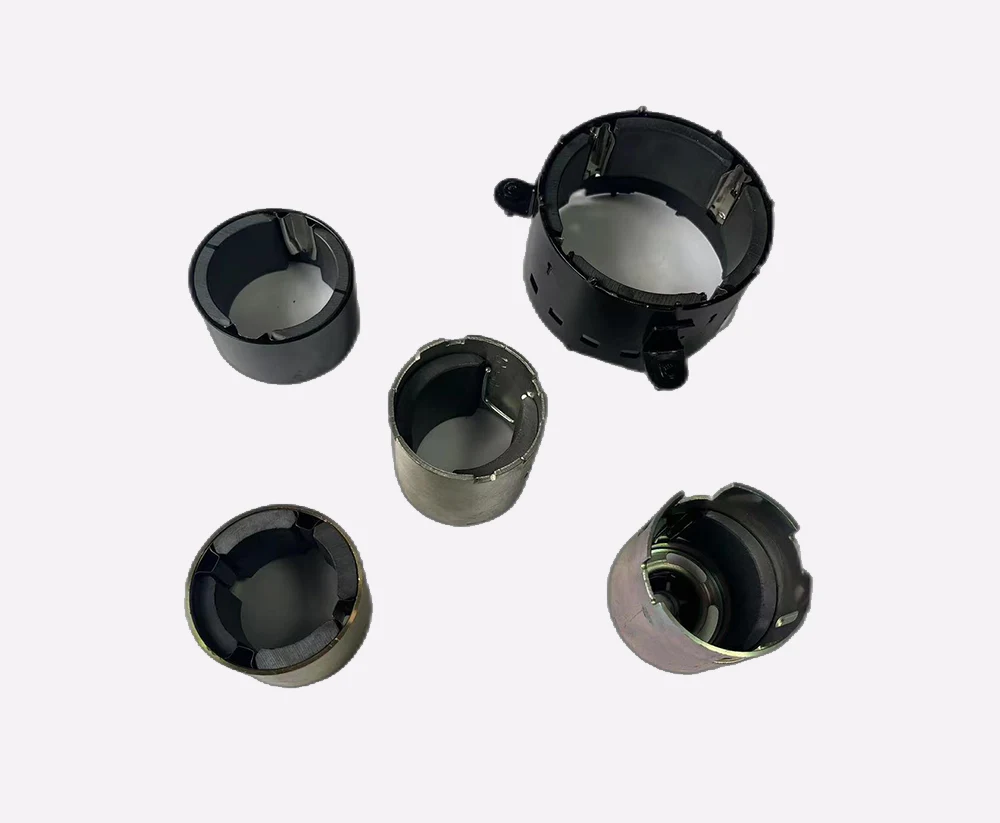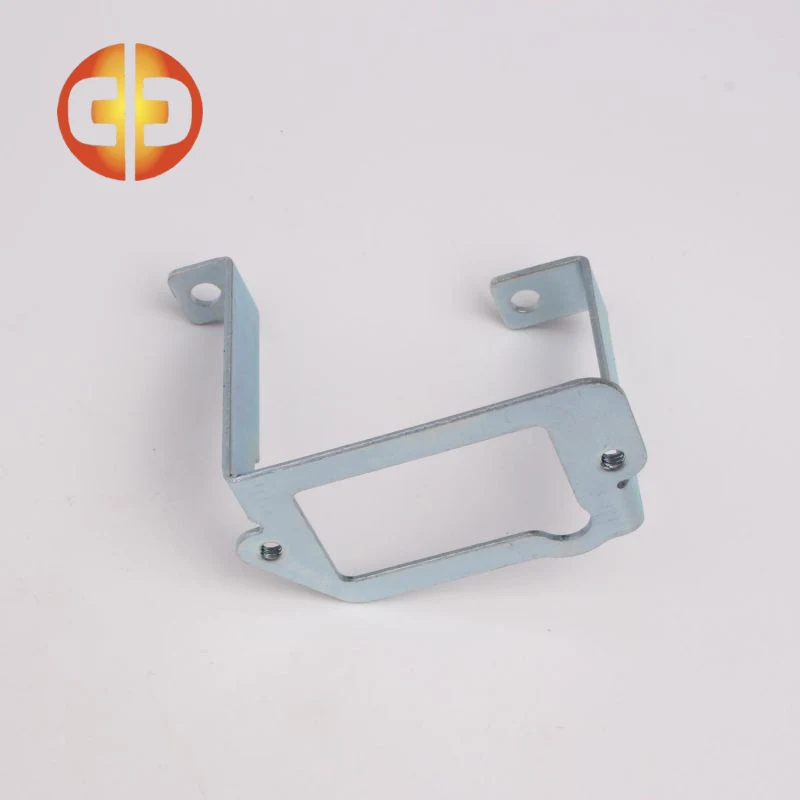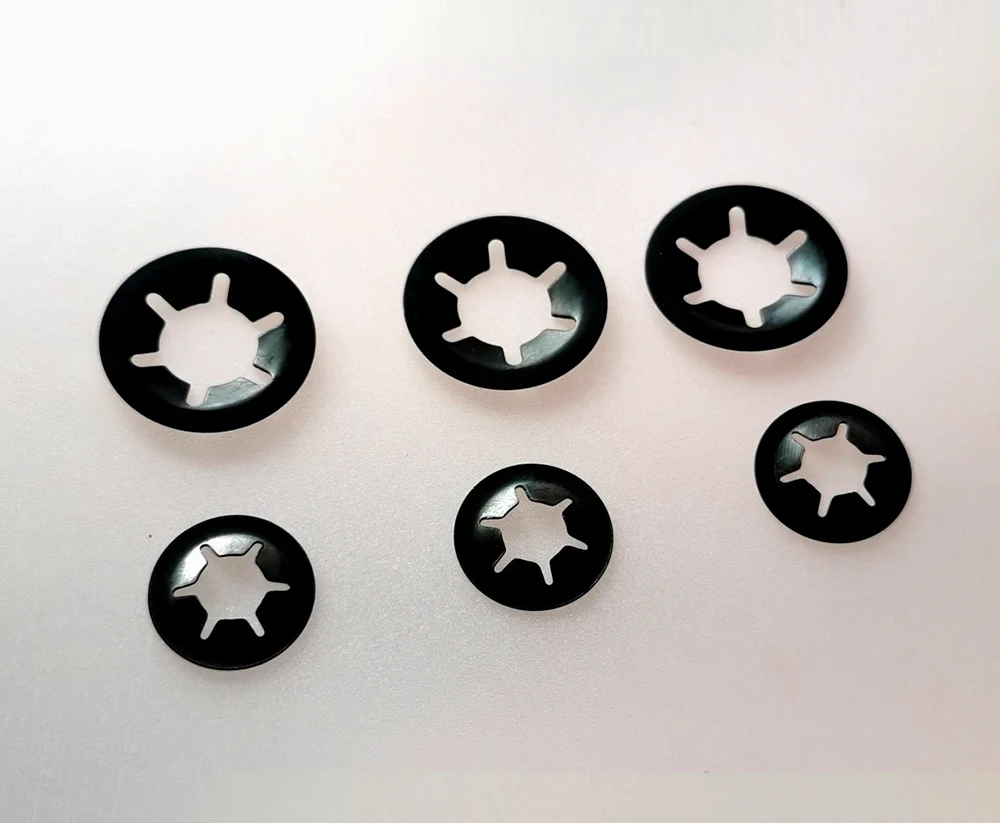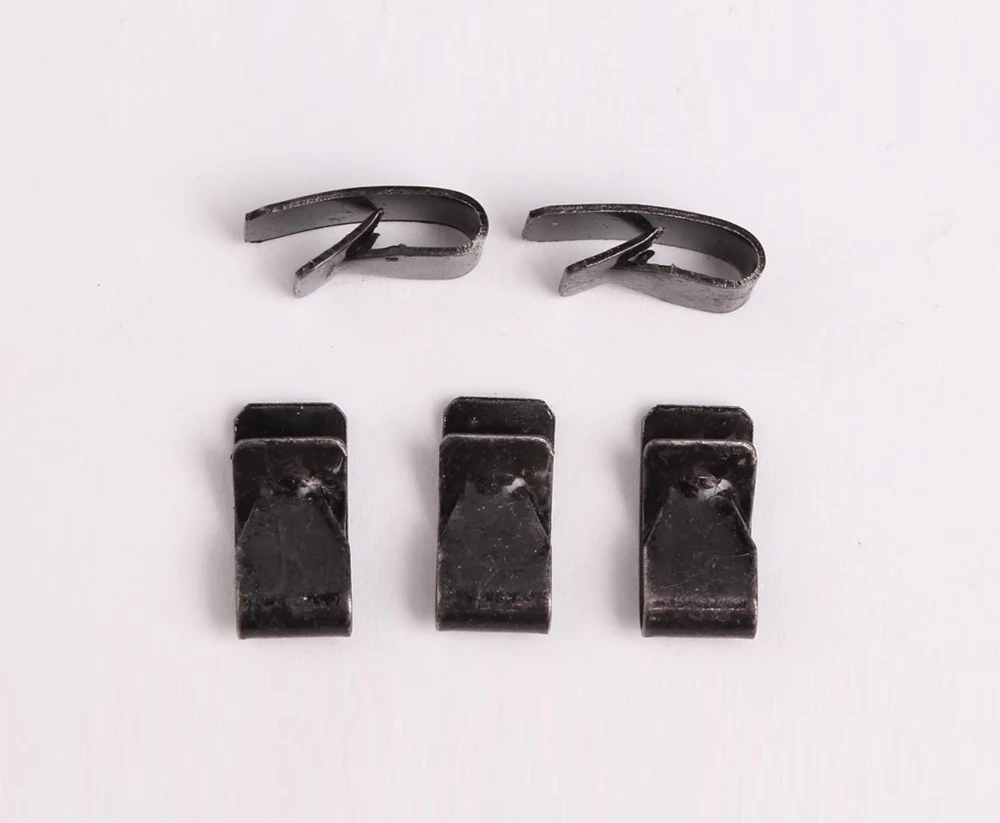
Precision stamping plays an important role in the manufacturing of Micromotor Carbon Brush Holder components. From dimensional accuracy and mounting consistency to brush positioning and electrical contact stability, the stamping process directly affects how reliably a brush holder performs inside a motor. In this article, we explain the key manufacturing factors, common quality considerations, and practical applications of precision-stamped carbon brush holders.
A carbon brush holder may be a relatively small motor component, but its manufacturing accuracy has a direct influence on motor operation. It holds the carbon brush in a defined position, supports its movement as it wears down, and helps maintain consistent contact with the commutator. If the holder is poorly formed or its mounting dimensions vary between parts, the brush may tilt, bind, or experience uneven contact pressure.
Precision stamping addresses these issues by forming metal sheets through controlled punching, bending, and shaping operations. Instead of relying on repeated manual adjustments, manufacturers use dedicated dies to produce components with consistent geometries across production batches.
For a Micromotor Carbon Brush Holder, several improvements are particularly important:
At Zhongchuan Hardware, our manufacturing background is rooted in metal stamping parts and hardware production. We recognize that a small dimensional difference in a stamped component can create assembly difficulties later, especially in compact motor structures where available installation space is limited.
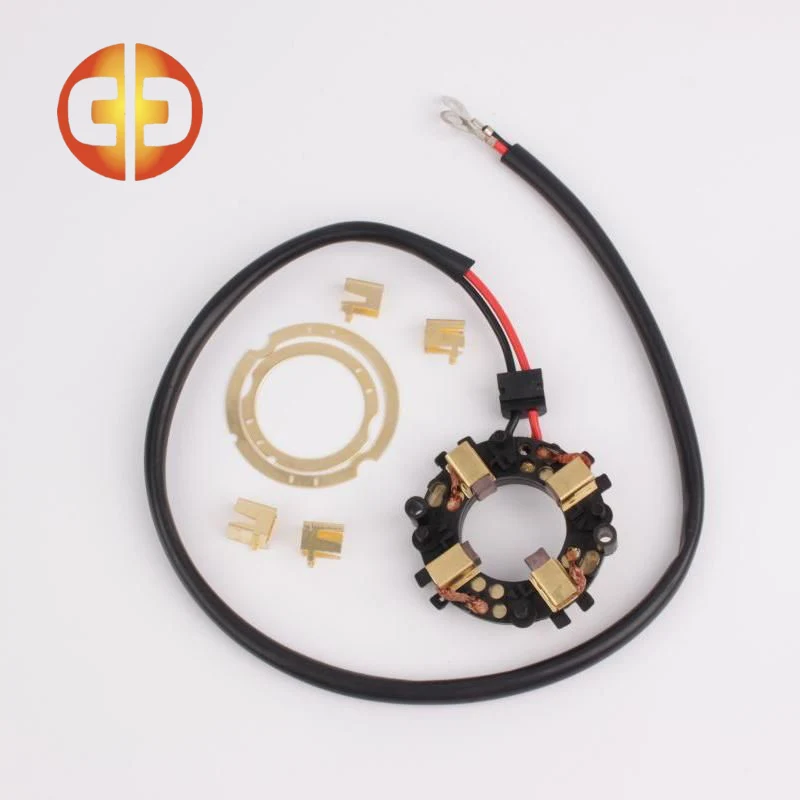
Dimensional accuracy is one of the first factors we consider when evaluating a stamped brush holder. The component must fit its designated mounting position while providing sufficient space for the carbon brush to move as intended.
Several dimensions deserve particular attention during production:
For example, if the brush guide is too narrow, the carbon brush may become difficult to move as it wears. If the clearance is excessive, the brush may experience unwanted movement and inconsistent contact with the commutator. Both situations can affect motor performance.
We therefore recommend defining critical dimensions according to the actual motor assembly drawing rather than applying general tolerances to every feature. This makes inspection more meaningful and helps avoid unnecessary manufacturing costs.
A carbon brush holder must maintain its shape under the mechanical conditions experienced during motor operation. Vibration, repeated brush movement, and assembly forces can all expose weaknesses in the formed structure.
Precision stamping helps establish consistent bends, support walls, fixing tabs, and other structural features. These features work together to keep the carbon brush in its intended position.
We pay particular attention to three structural considerations:
It is also important to understand that the brush holder and carbon brush perform different but related functions. The holder provides mechanical support and positioning, while the brush establishes sliding electrical contact with the commutator. A well-designed holder helps maintain the intended contact arrangement without introducing unnecessary resistance to brush movement.
Precision stamping quality depends on more than the stamping machine itself. Material properties, die design, forming sequence, and secondary processing all influence the finished component.
| Manufacturing Factor | What We Check | Potential Impact on the Product |
|---|---|---|
| Material Selection | Material thickness, strength, ductility, and electrical requirements | Affects formability, structural performance, and suitability for the intended motor design |
| Die Design | Punching clearance, forming geometry, and positioning accuracy | Influences dimensional consistency and repeatability |
| Punching Quality | Cutting edges, burr formation, and hole dimensions | Helps prevent assembly interference and unwanted edge contact |
| Bending Process | Bend angles, radii, and springback | Determines the final shape and mounting accuracy |
| Surface Treatment | Coating compatibility, corrosion resistance, and contact requirements | Can affect durability and electrical contact performance where applicable |
| Final Inspection | Critical dimensions, appearance, and assembly fit | Reduces variation between production batches |
Material selection should always follow the component's actual operating requirements. A brush holder designed primarily for mechanical support may have different material priorities from one that also serves as part of an electrical current path.
Likewise, surface treatment should not be selected simply because a particular finish is commonly used in hardware production. Its suitability depends on conductivity requirements, operating temperature, environmental exposure, and the motor manufacturer's design specifications.
Micromotor carbon brush holders are commonly found in brushed DC motors and other compact motor assemblies that use carbon brushes and commutators. Their dimensions and structural requirements vary according to motor size, operating speed, installation space, and electrical load.
| Application | Typical Motor Requirements | Brush Holder Considerations |
|---|---|---|
| Automotive Auxiliary Motors | Compact installation, vibration resistance, and reliable operation | Secure mounting, dimensional consistency, and stable brush positioning |
| Small DC Motors | Space-efficient construction and consistent commutation | Accurate brush guidance and suitable internal clearance |
| Household Appliances | Repeated operating cycles and compact motor assemblies | Reliable assembly fit and controlled component geometry |
| Power Tools | Mechanical vibration and demanding operating conditions | Structural rigidity and appropriate brush retention |
For automotive motor applications, dimensional consistency becomes especially important because a component may be installed in large quantities across multiple motor assemblies. Even minor variations can increase assembly adjustments and complicate production quality management.
As a manufacturer with experience in hardware stamping and automotive motor matching applications, Zhongchuan Hardware understands the importance of connecting component manufacturing requirements with the final assembly environment.
A carbon brush holder that performs well in a sample inspection must also maintain consistent quality during mass production. This is where process control becomes just as important as the initial component design.
When evaluating a precision-stamped component, we recommend paying attention to the following inspection points:
We also recommend confirming inspection requirements before mass production begins. A technical drawing should identify critical dimensions, material specifications, surface treatment requirements, and any special assembly conditions. This gives both the manufacturer and the motor assembly team a clear reference for quality evaluation.
At Zhongchuan Hardware, Zhejiang Yaodong Intelligent Manufacturing Technology Co., Ltd., we integrate product development, design, production, and sales. Since our establishment in 2007, our business has developed from stamping parts manufacturing toward a broader range of hardware and automotive motor matching applications. This manufacturing experience provides a practical foundation for understanding the relationship between stamped component accuracy and downstream assembly requirements.
Its main function is to support and position the carbon brush inside a motor. It helps keep the brush aligned with the commutator, allows appropriate brush movement during wear, and supports stable electrical contact during motor operation.
Precision stamping improves manufacturing repeatability by controlling punching, bending, and forming operations. It helps maintain consistent mounting dimensions, brush guide geometry, and structural profiles, making the components easier to assemble in mass production.
Material selection depends on the motor design and the holder's mechanical and electrical functions. Conductive metal materials may be used where electrical current transmission is required, while other designs prioritize structural support and formability. The final material should be confirmed against the motor manufacturer's specifications.
Excessive burrs can interfere with component assembly, create unwanted contact, or affect the movement of nearby parts. Proper die clearance, tooling maintenance, and suitable deburring processes help control edge quality.
Yes. Customization can involve overall dimensions, mounting positions, formed structures, material specifications, and surface treatments. Manufacturers generally need the customer's technical drawings, samples, or detailed application requirements to evaluate tooling and production feasibility.
We recommend providing a 2D engineering drawing, 3D model if available, material and thickness requirements, surface treatment specifications, expected order quantity, and the motor application. These details help determine the manufacturing process, tooling requirements, and inspection criteria more accurately.
Precision stamping improves carbon brush holder manufacturing by providing better control over dimensions, formed structures, edge quality, and batch-to-batch consistency. These factors contribute to accurate assembly, stable brush positioning, and reliable motor operation.
However, the best manufacturing solution is not simply the one with the tightest tolerances. It is the one that meets the motor's actual design requirements while maintaining consistent quality and reasonable production efficiency.
With experience in metal stamping parts, product development, and automotive motor matching applications, Zhongchuan Hardware focuses on connecting manufacturing processes with practical component requirements. For more information about our manufacturing capabilities and customized hardware solutions, visit our company website or contact our team to discuss your project requirements.